
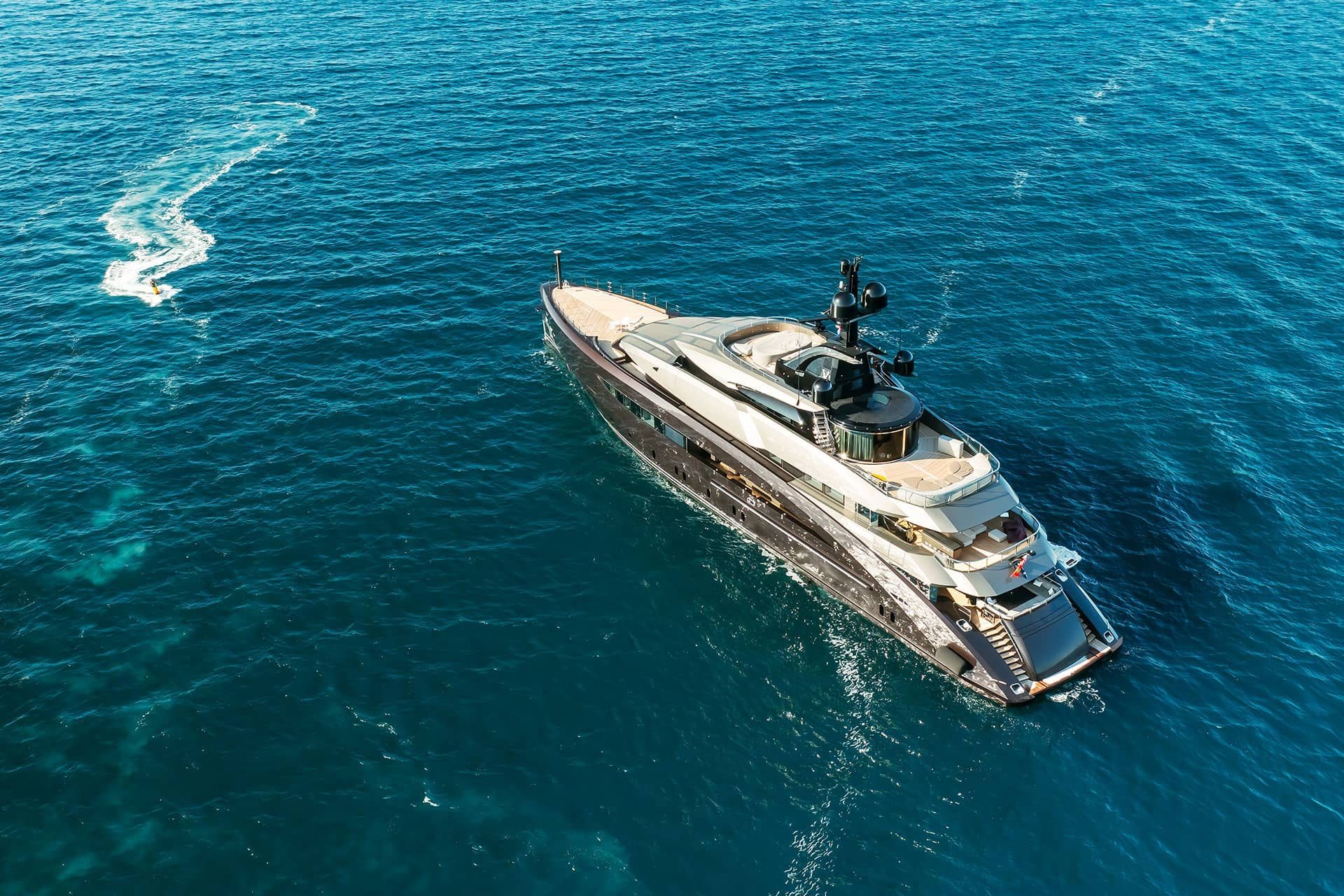
As the sun glistens on the water’s surface and the gentle breeze carries you across the waves, your boat becomes a haven of adventure and relaxation. Yet, beneath the idyllic surface, a network of intricate electrical systems powers your vessel’s essential functions. Just as a well-maintained compass guides your route, regular electrical inspections serve as your navigational tool to ensure safe and smooth sailing. This article dives into the significance of these inspections and why they are a fundamental aspect of responsible boating.
The Hidden Heartbeat of Your Vessel
Electrical systems are the unseen heartbeat of your boat. They power everything from navigation equipment and lighting to communication devices and entertainment systems. A malfunction in any of these systems can not only disrupt your journey but also compromise your safety and that of your crew.
Detecting Issues Before They Escalate
Regular electrical inspections act as a proactive measure to identify potential issues before they snowball into emergencies. Wiring corrosion, loose connections, and wear and tear are common problems that can go unnoticed until they cause system failures or, worse, electrical fires. By catching these problems early, you can address them effectively and prevent more extensive damage.
Ensuring Safety Onboard
The safety of everyone on board is paramount. Faulty electrical systems can lead to electric shocks, fires, or even the sinking of the vessel. Regular inspections help safeguard against such risks by ensuring that all systems, such as bilge pumps, navigation lights, and emergency alarms, are in optimal working condition.
Prolonging Equipment Lifespan
Electrical components, just like any other mechanical systems, experience wear over time. Regular inspections and maintenance extend the lifespan of your equipment. By replacing worn-out parts and addressing minor issues promptly, you can avoid costly breakdowns and replacements down the line.
Maintaining Compliance
Certain boating regulations require vessels to meet specific safety standards, including electrical system integrity. Regular electrical inspections help you comply with these standards, ensuring that your vessel is fit for operation and reducing the risk of penalties or legal issues.
How Often Should You Inspect
The frequency of electrical inspections depends on the type of vessel, how often it’s used, and the environment it’s exposed to. A general guideline is to conduct a thorough inspection at the beginning and end of each boating season. Additionally, inspect your electrical systems if you notice any irregularities during your voyages.
DIY vs. Professional Inspection
While some boaters may have a solid understanding of electrical systems, a professional inspection provides an unbiased and comprehensive assessment. Certified marine electricians possess the expertise to identify hidden issues and provide expert recommendations to maintain or upgrade your vessel’s electrical systems.
Conclusion: Navigating Responsibly
Just as a captain meticulously plans their course, responsible boating involves a commitment to the safety and well-being of all onboard. Regular electrical inspections are an integral part of this commitment, offering peace of mind and ensuring that your vessel is ready to weather any journey. By treating these inspections as waypoints on your boating adventure, you’re not only navigating the waters but also charting a course towards a safer and more enjoyable experience on the open sea.
Author: Zoran Huljev



 English
  Croatian
  German
  Italian
  Hungarian